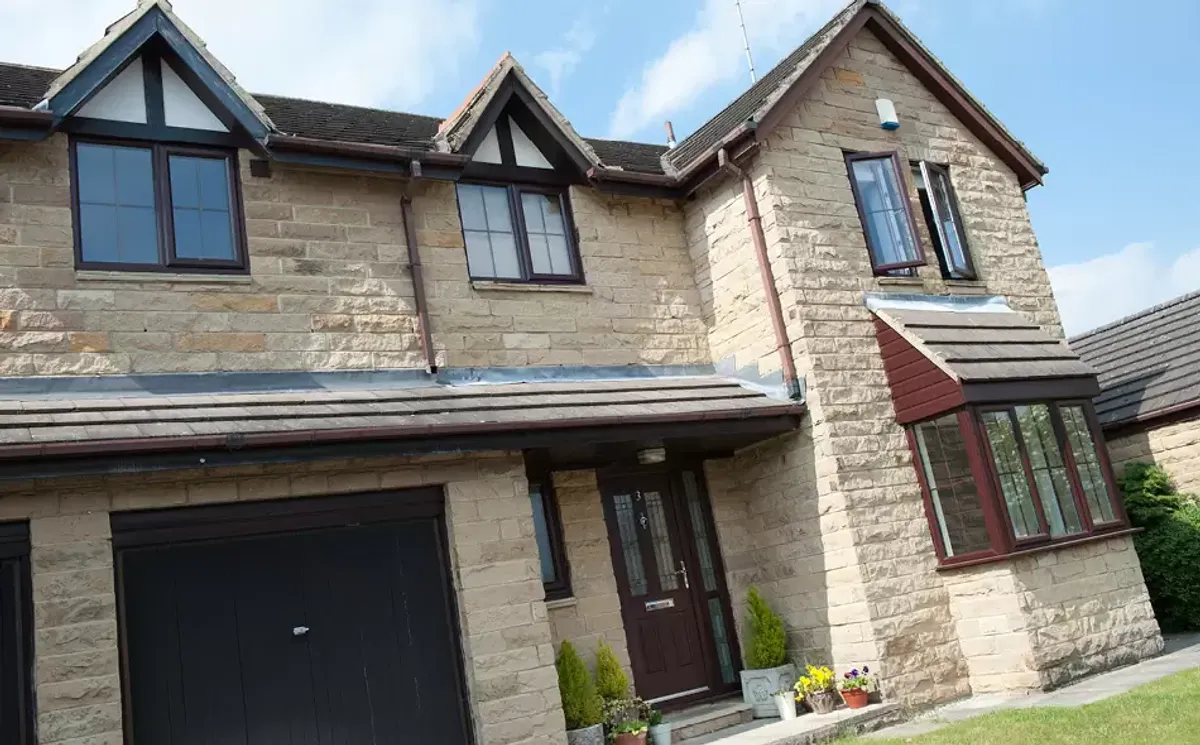
uPVC vs Composite Doors Pros & Cons
When it comes to external doors, two of the most popular options are uPVC doors and composite doors. Both provide a range of benefits, but each has its own strengths and considerations depending on the project and customer preferences. Understanding the differences in uPVC vs Composite Doors can help trade professionals choose the most suitable solution for any build or renovation.
As a trade professional, offering the right products to your customers is key to building trust and delivering lasting value. Whether you're replacing an entrance door or fitting out a new-build, comparing uPVC vs Composite Doors ensures you're offering the right balance of cost, performance, and aesthetics.
In this guide, we’ll explore the pros and cons of uPVC vs Composite Doors, helping you decide which option is the best fit for your clients' needs.
uPVC Doors
Unplasticised Polyvinyl Chloride (uPVC) doors have been a go-to choice for decades thanks to their affordability and practicality. They’re especially popular among homeowners looking for a low-maintenance, budget-friendly solution.
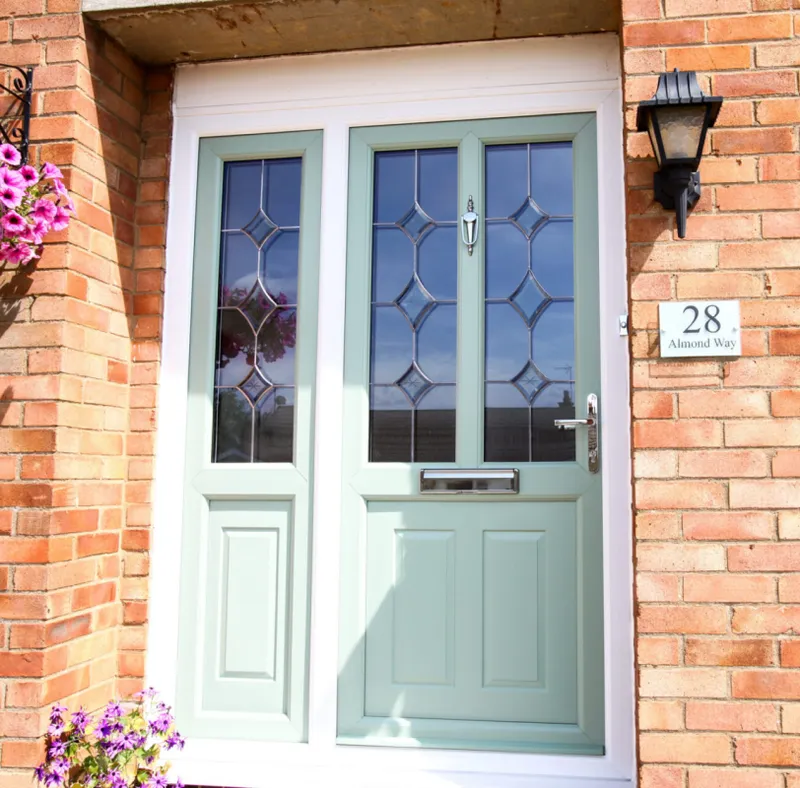
Pros of uPVC
- Cost-Effective - One of the most appealing features is the price point. uPVC doors are among the most affordable on the market, making them a practical solution for homeowners working within a tight budget or landlords upgrading multiple properties.
- Energy Efficiency - These doors offer strong insulation properties, helping to maintain indoor temperatures. This thermal efficiency can contribute to lower energy bills, which is a major selling point for eco-conscious clients.
- Low Maintenance - Unlike timber, which can rot or warp over time, uPVC requires very little upkeep. There’s no need for repainting or treatments—just a simple clean with soap and water keeps them looking fresh.
- Secure
Most are fitted with modern locking systems, providing a reasonable level of security for both homes and small business premises.
Cons of uPVC
- Limited Aesthetics - While advances in manufacturing have introduced more colour and texture options, designs remain somewhat limited compared to composite models. Some clients may feel they lack the visual appeal of a more premium door.
- Shorter Lifespan - Although durable, uPVC doors typically don’t last as long as higher-end alternatives. Over time, they may discolour or become less effective at insulation and security, especially if exposed to harsh weather conditions.
Composite Doors
Composite doors are crafted using a combination of materials, including uPVC, timber, insulating foam, and glass-reinforced plastic (GRP). This hybrid construction makes them exceptionally strong and versatile.
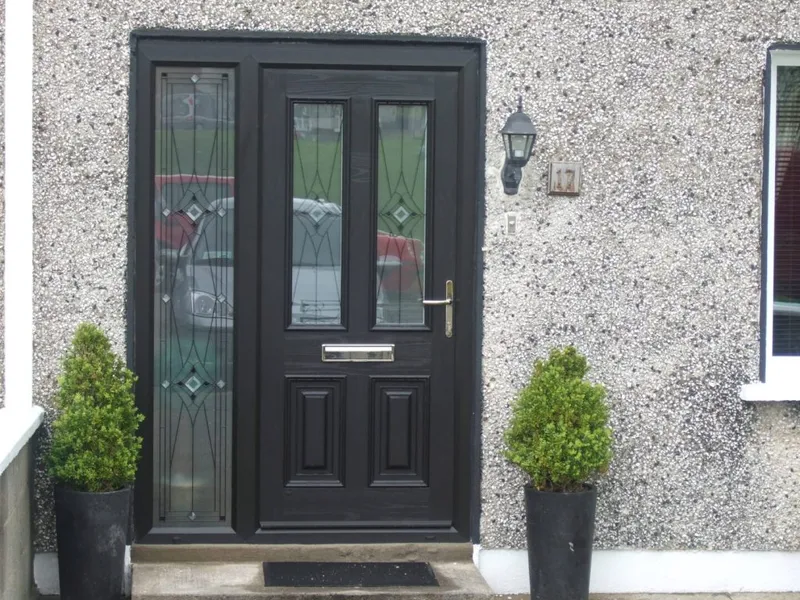
Pros of Composite
- Durability - Built to withstand the elements, composite doors offer superior strength and longevity. They are less likely to warp, crack, or fade over time, even when installed in exposed locations.
- Customisable Designs - With a wide range of colours, styles, and finishes available—including woodgrain effects—these doors can suit everything from modern builds to traditional cottages. This makes them an attractive option for customers who prioritise curb appeal.
- Excellent Thermal Performance - Thanks to their layered structure and insulated core, composite doors excel in energy efficiency. They help retain heat in the winter and keep interiors cool during the summer months.
- Enhanced Security - Most come with advanced locking mechanisms and solid cores, offering peace of mind and meeting high-security standards for both residential and commercial properties.
Cons of Composite
- Higher Cost - The main drawback is price. Composite doors are typically more expensive than uPVC, which may make them less accessible to cost-conscious customers. However, many find the investment worthwhile for the increased lifespan and performance.
uPVC vs Composite Doors
Choosing between uPVC and composite doors depends on the specific requirements of your project and your client’s priorities. If budget is the primary concern, a quality uPVC model offers a reliable and energy-efficient solution with minimal upkeep. For those looking for enhanced security, a premium look, and long-term durability, composite doors are well worth considering.
By understanding the advantages and limitations of each type, you can confidently guide your customers toward the right choice, ensuring satisfaction and long-term value in every installation.