Effects of Double Glazed Windows in Lincolnshire
Living on the Lincolnshire coast has its perks - the sea air, scenic views, and peaceful pace of life. But the coastal weather can be tough on our homes. From strong winds to salty air and sudden cold snaps, our properties face more than their fair share of the elements. Over time, this can take a toll, especially on older windows that let in draughts, moisture, and noise.
If you’re constantly battling chilly rooms or noticing your energy bills creeping higher each year, it might be time to consider upgrading your windows. Replacing outdated frames and single glazing with modern, energy-efficient double glazed windows can make a world of difference.
Here are six key benefits you can expect from installing new double glazed windows in your Lincolnshire home.
1. A Warmer Home and Lower Energy Bills
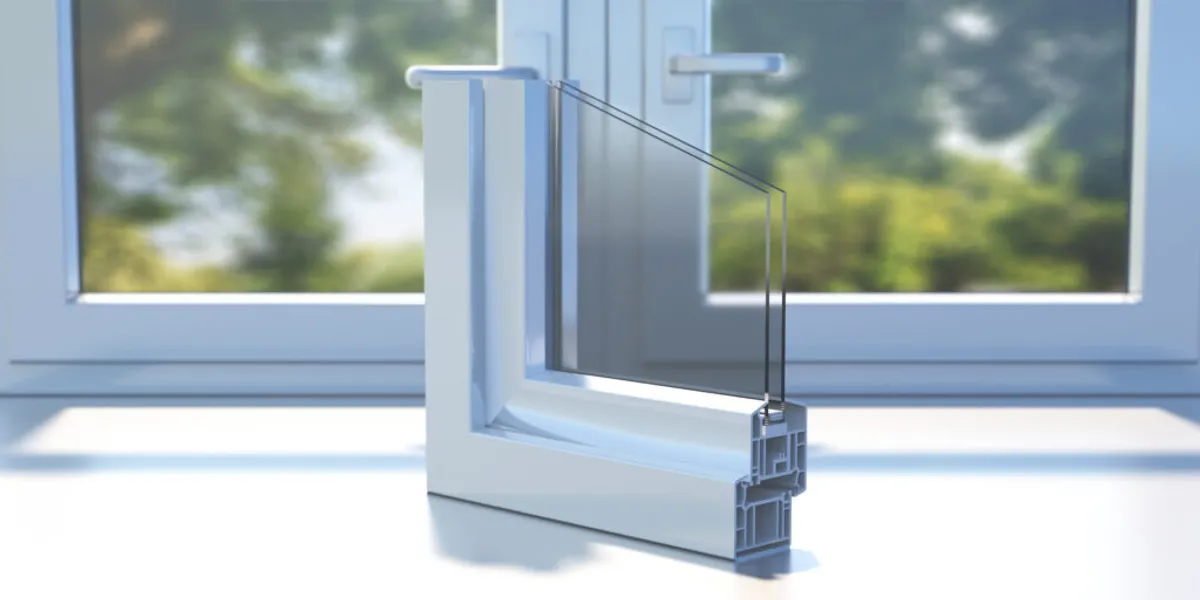
Older single pane or double glazed windows are often the number one cause of heat loss in a home. That chill you feel near the glass on a windy day is your heating (and your money) escaping outside. High performance double glazing solves this by creating a thermal barrier, effectively stopping heat from leaving and preventing cold from getting in. This keeps your home at a consistent, comfortable temperature, meaning your boiler works less and your energy bills will be noticeably lower.
2. A Quieter, More Peaceful Home
Beyond warmth, you’ll be surprised at how much calmer your home feels. The insulating gap in double glazing is incredibly effective at muffling outside noise, whether it’s traffic, noisy neighbours, or the wind itself. This helps to create a much more peaceful living environment.
3. A Permanent End to Condensation
If you have fog and moisture trapped between your window panes, the seal on your old unit has failed. Upgrading to new high performance double glazing is the permanent fix.
The new, perfect seal guarantees no moisture can get between the panes, giving you a crystal clear view and preventing the damp issues that condensation can cause.
4. Enhanced Home Security
Your family's safety is crucial. Double glazed windows are significantly tougher to break than single pane windows, and we pair them with advanced, multi-point locking systems. This combination provides a level of security that brings genuine peace of mind.
5. An Increase in Your Property's Value
From a long-term perspective, quality double glazing is a fantastic investment. It's a highly sought after feature for homebuyers, improving your property's
Energy Performance Certificate (EPC) rating and boosting your properties overall value.
6. uPVC Frames A Low Maintenance Finish
For those who want high performance windows without the constant upkeep, modern
uPVC double glazing window frames are an ideal choice. They require virtually no maintenance, only a simple wipe with soapy water is enough to keep them looking brand new. When fitted correctly, they are built to last and designed never to rot or warp.
Why a Local Grimsby Installer Matters
When you’re investing in your home, you need a company you can rely on. As a local, family-run business with over
35 years of experience, we at Rapide Frames understand the properties and weather challenges across Grimsby and Humberside.
We’ve built our reputation on expert advice and flawless installations for our neighbours. All our work is backed by a 10-year guarantee, giving you confidence for the long term. To see the quality of our work for yourself, you can
find out more about our window replacement services. Ready for a Warmer, More Secure Home?
If you’re ready to experience the benefits of modern double glazing, our friendly team is here to help.
Contact our team today for a free, no-obligation quote tailored to your home.