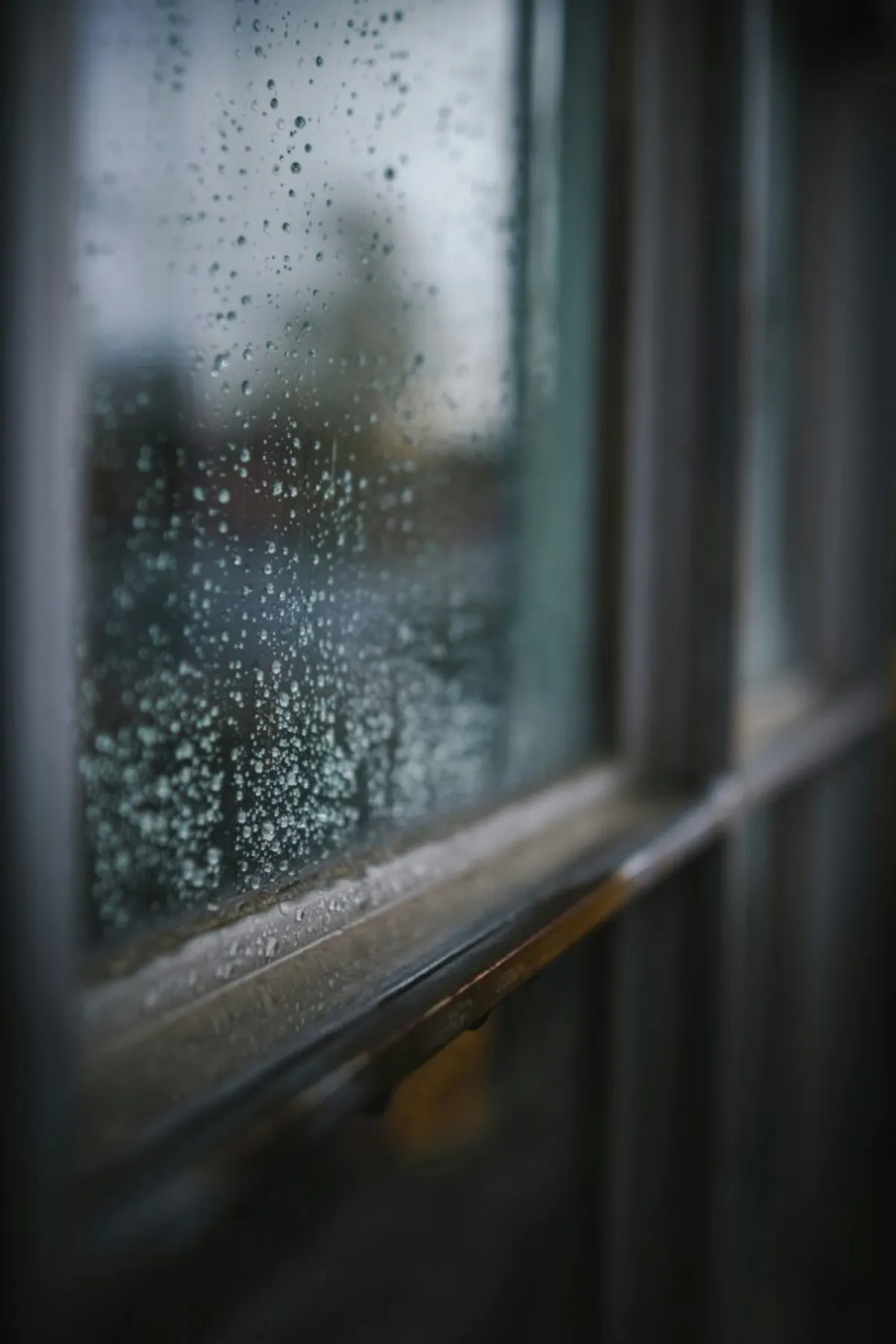
Understanding Window Condensation: A Guide to Double Glazing Materials
Fed up with misty windows and the daily chore of wiping down condensation? You’re not alone - window condensation is one of the most common issues faced by homeowners, especially here in Lincolnshire where coastal air and colder mornings can make it worse.
This guide will help you understand exactly what your window condensation is telling you, and more importantly, what it could reveal about the condition of your double glazing materials.
Waking up to steamed-up glass can be frustrating, but it isn’t always a cause for concern. In some cases, condensation is completely harmless - in others, it’s a warning sign that your double glazing materials may no longer be doing their job properly.
Let’s explore the three main types of condensation, what causes each one, and how to decide when action is needed.
1. Condensation on the Outside of Your Double Glazing
Noticed fog on the outside pane of your window?
Don’t worry, this type of condensation is actually a positive sign. It means your double glazing materials are doing their job, keeping the heat inside your home and allowing the outer pane to cool naturally. This kind of condensation tends to clear up on its own as the day warms, and it doesn’t suggest any damage or inefficiency.
2. Condensation on the Inside of Your Windows
If you’re wiping moisture off the inside of your windows every morning, you’re experiencing internal condensation, a very common issue.
This doesn’t necessarily mean there’s a fault with your double glazing materials. More often, it’s caused by high humidity inside the home from daily activities like cooking, showering, or drying clothes indoors. When that damp air hits your cold window panes, it turns to water droplets. However, if your glass is constantly cold to the touch, your windows might have a high U-value. Upgrading to energy efficient windows keeps the inner pane warmer, which significantly reduces the chance of condensation forming. Read more about how warm edge technology stops cold glass.
What you can do:
- Open windows for 15–20 minutes each day to improve airflow.
- Use extractor fans in bathrooms and kitchens.
- Consider a dehumidifier if condensation is severe.
For further advice, the NHS has a useful guide on managing damp and mould indoors.
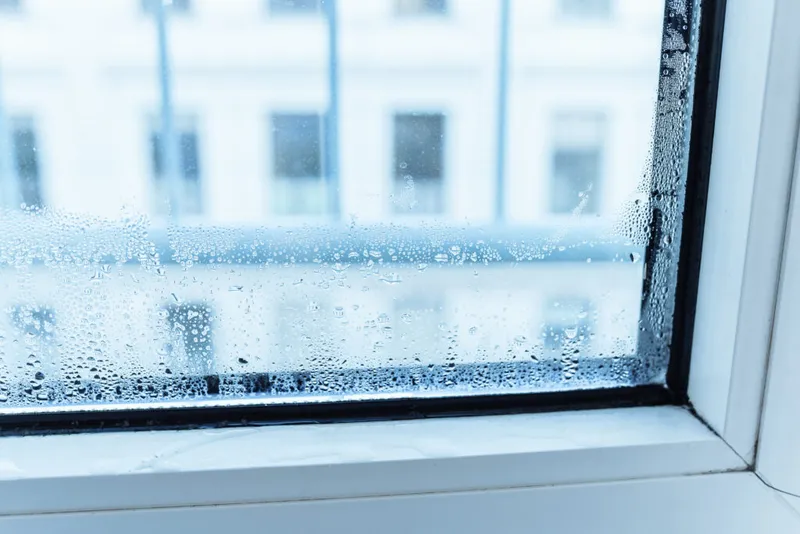
3. Condensation Between the Panes of Glass
If your window looks cloudy or foggy between the two panes and you can’t wipe it away, this is a sign of a failed sealed unit.
Over time, the seals on your double glazing materials can break down. When this happens, moisture enters the space between the panes, replacing the insulating gas. The window loses its thermal efficiency and becomes less effective at keeping your home warm.
Unfortunately, this issue can’t be fixed with a clean or DIY repair. The sealed unit - or in some cases, the entire double glazing system - needs to be replaced.
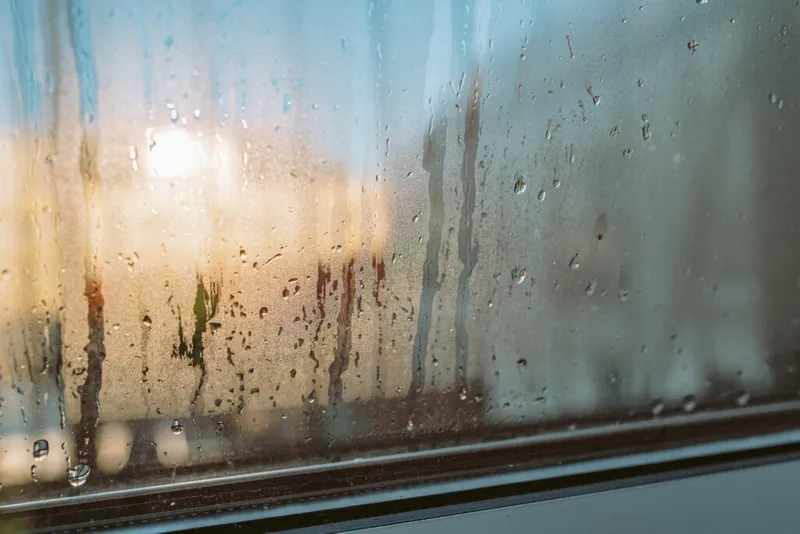
Why It Matters
Window condensation isn’t just a cosmetic issue. When it’s related to failed double glazing materials, it affects your home’s comfort, energy efficiency, and long-term maintenance. Identifying the type of condensation you’re dealing with helps you know whether a simple lifestyle change is needed - or if it’s time to call in an expert.
We’re Here to Help
Here at Rapide Frames, we’ve spent over 35 years helping homeowners across Lincolnshire with their double glazing materials. As a family-run business based in Humberston, we’ve seen every type of condensation issue - and we know how to fix it cost-effectively.
We’ll never pressure you into a full window replacement if it’s not needed. Often, we can just replace or repair the failed sealed unit within your existing frames, helping you save money while restoring comfort and clarity to your home.
Tired of misty, inefficient windows? Call our friendly team today on 01472 211 111 or message us by filling out our contact form for a free, no-obligation quote.